 English
 Espanol
 Deutsch
 Francais
 Portugues
 Italiano
Richard Petty Critiques Modern NASCAR Championship Format and Driver Value
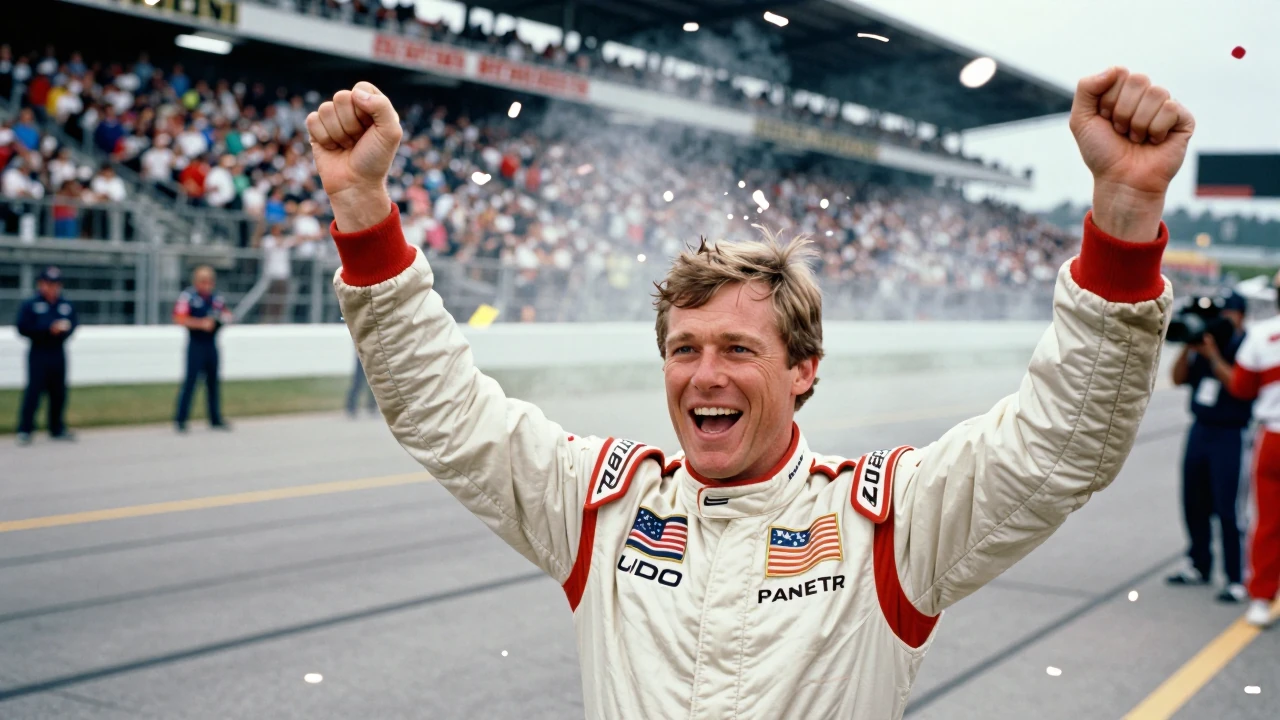
Richard Petty, the seven-time NASCAR Cup Series champion, has delivered a blunt assessment of the sport's current championship format and the true value of a driver. Speaking recently, 'The King' argued that the driver gets too much credit for a title, stating he is 'probably not even half' of the equation. His comments come alongside a fresh look at his own legendary 1967 season, which continues to define statistical dominance in stock car racing.
Petty Questions the Chase Format's Fairness
Petty has identified a major flaw in NASCAR's Chase playoff system. He believes the format can unfairly eliminate a driver who has been the season's most consistent performer. The current structure, which resets points and creates a winner-take-all finale, means a driver with multiple wins and a strong regular season can see their title hopes vanish with one bad race in the playoffs. For a competitor like Petty, who built his record seven championships on full-season consistency, this modern approach is a point of contention. He suggests it diminishes the value of performance across the entire marathon of a season.
The King's Verdict on Driver Contribution
Expanding on his critique of modern championships, Petty offered a sobering perspective on a driver's role. "The driver always gets credit for winning a championship, but to me, he's just a big part of winning a championship, but he's probably not even half of what it takes," Petty said. He pointed to the essential role of the team, the car, and the equipment. A great driver in a subpar car will struggle, a fact illustrated by past champions who endured long winless droughts when their equipment wasn't competitive.
Revisiting Petty's Unmatched 1967 Dominance
The standard Petty is judging modern eras against is his own 1967 campaign, a year of staggering performance that remains untouched. Driving a Hemi-powered Plymouth Belvedere, Petty started 48 races and won 27 of them, a 56.25 percent win rate. That included a streak of 10 consecutive victories. He led a record 5,543 laps, which was 44 percent of all the laps he completed that year. On today's 36-race schedule, that win rate would translate to about 20 victories. No driver has won more than 13 races in a season since NASCAR shortened its schedule in 1972.
| Statistic | 1967 Performance |
|---|---|
| Races Started | 48 |
| Wins | 27 |
| Consecutive Wins | 10 |
| Laps Led | 5,543 |
| Championship | Won (2nd of 7) |
Petty's Legacy Extends into Pop Culture
Petty's iconic status continues to resonate beyond the record books. An independent animator is creating a fan-made Cars prequel film featuring detailed 3D models of NASCAR legends, with Petty's famous No. 43 undoubtedly a centerpiece. This project shows his enduring cultural footprint. Similarly, lists of the coolest Daytona 500-winning cars invariably feature Petty's blue Plymouths and Fords, reminding fans that his success was paired with an iconic look. His legacy is not only in trophies but in the lasting image of his cars on the track.
- Key Takeaway: Richard Petty believes NASCAR's Chase format can punish season-long consistency and overvalues the final playoff races.
- Key Takeaway: Petty contends a driver contributes less than half of the formula needed to win a championship, emphasizing team and car.
- Key Takeaway: His 1967 season, with 27 wins and 10 in a row, remains the most dominant single year in NASCAR history.
- Key Takeaway: Petty's iconic race cars continue to inspire fans and creators, maintaining his relevance in popular culture.