 English
 Espanol
 Deutsch
 Francais
 Portugues
 Italiano
Diego Maradona's Legacy: Hand of God Goal
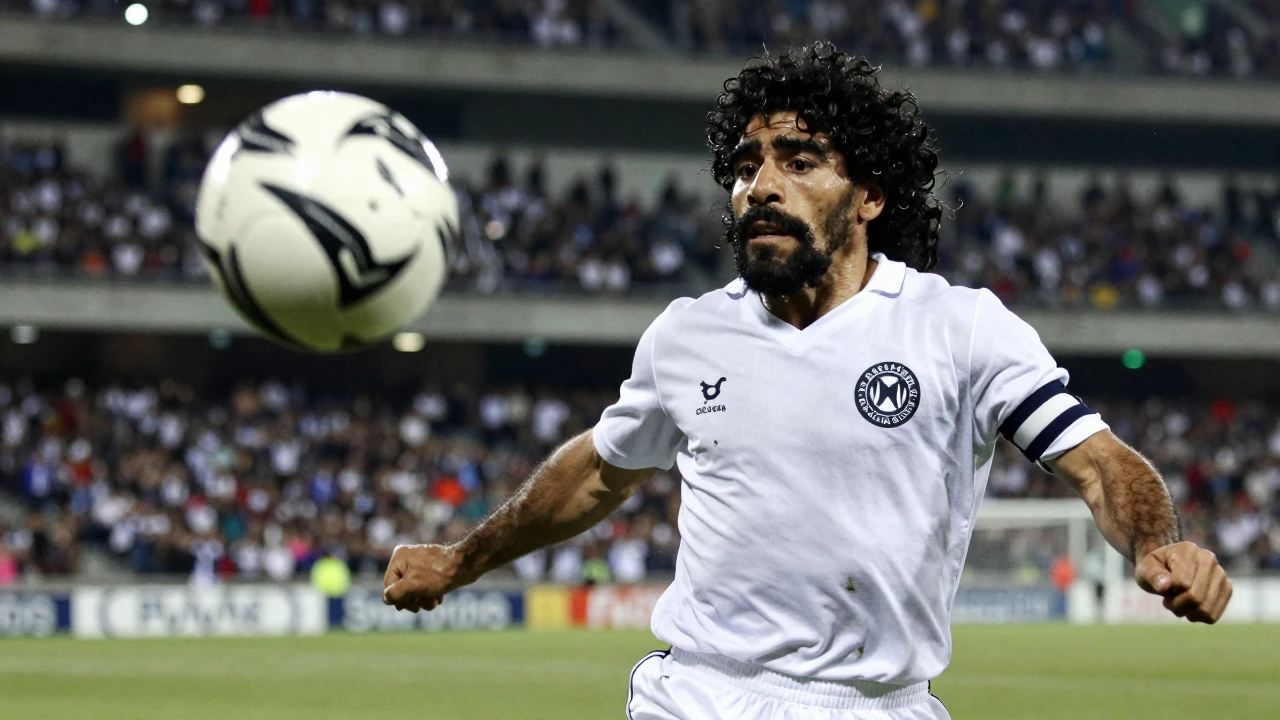
Diego Maradona's 'Hand of God' goal versus England, scored on June 22, 1986, remains one of football's most controversial moments, where he used his hand to score against England in the World Cup quarter-final.
The 'Hand of God' goal, a moment of audacious cheating, defined Maradona's career and continues to shape football narratives, with the 1994 drug ban that ended his Argentina career highlighting the consequences of his off-field struggles.
Diego Gomez, a 23-year-old Paraguayan midfielder, has risen from a rural village to become Brighton's key player, drawing comparisons to Maradona's skill and Messi's running style, while his 2026 career trajectory shows how Maradona's legacy influences contemporary talent development.
Maradona's 1994 drug ban ended his Argentina career, but other banned stars fought back, showing that while his playing days ended, his influence persists in modern football's evolving disciplinary and talent pathways.
Maradona's career arc, from the 1986 'Hand of God' goal to his 1994 ban, mirrors modern football's challenges with talent, discipline, and legacy, as seen in Diego Gomez's rise at Brighton and the ongoing impact of his controversial moments on the sport's evolution.
- Diego Maradona scored the 'Hand of God' goal on June 22, 1986, in the World Cup quarter-final against England.
- Maradona's 1994 drug ban ended his Argentina career, with no official return to international football.
- Diego Gomez, 23, has risen from Paraguay's rural Misiones District to star for Brighton, defeating Arsenal and Manchester City this season.
- Brighton is second in the Premier League table, with a strong title race underway.
[fixtures](/fixtures) | [squad](/squad) | [stats](/stats)