 English
 Espanol
 Deutsch
 Francais
 Portugues
 Italiano
Richard Petty’s 1986 Pontiac Grand Prix 2+2: The Aero Coupe He Demanded for NASCAR Speed
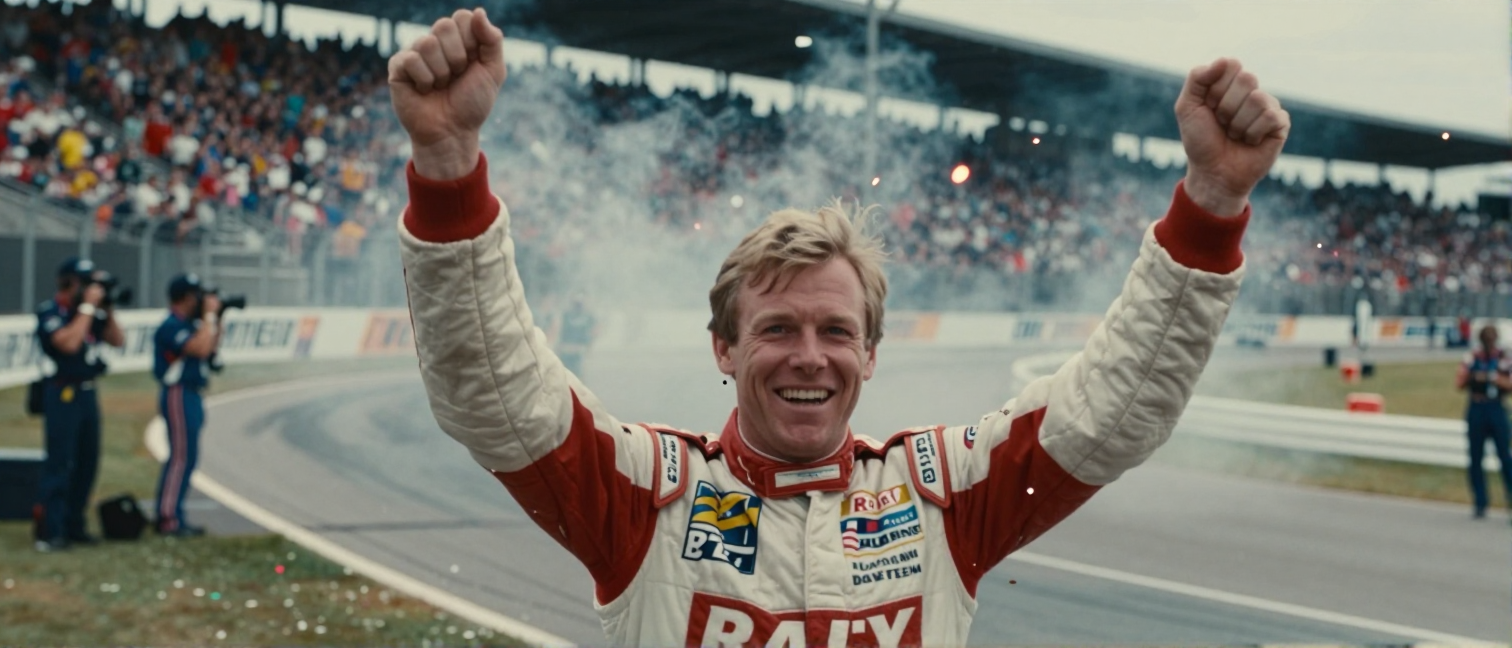
Richard Petty personally convinced Pontiac to build the 1986 Grand Prix 2+2, a one-year-only homologation special engineered to outrun Ford’s Thunderbird at NASCAR’s fastest tracks. Its dramatic sloped nose and massive rear window-added after Petty’s input-made it the most extreme aero coupe of the era.
Why Did Richard Petty Want This Car?
Petty, who raced Pontiacs from the 1980s until his 1992 retirement, knew the G-body platform struggled against Ford’s Thunderbird in high-speed drafting. Pontiac’s engineers responded by stripping away traditional styling and replacing it with a radically sloped nose and a giant, elongated rear window-features that turned the car into a wind-cheating weapon.
How Was the 1986 Grand Prix 2+2 Built?
Unlike standard models, these cars started as regular Grand Prix coupes at Pontiac’s Oshawa plant in Canada. They were then shipped to a U.S. facility where engineers bolted on the aerodynamic nose cone, fiberglass panels, and a decklid spoiler. The result? A car so impractical it could barely fit groceries-but NASCAR didn’t care about trunk space.
What Made It So Fast?
The 2+2 packed a 389-cubic-inch V8, bucket seats, and a center console with a vacuum gauge. But its speed came from the aerodynamics. The sloped nose reduced drag, while the massive rear window (nicknamed the "aero coupe" back glass) improved high-speed stability. It was built in 1986 only-1,000 units-with no thought for comfort.
Why the ‘2+2’ Name?
The badge was a leftover from the 1964-1967 Catalina 2+2, which Pontiac had revived as a performance symbol. The 1965 model, in particular, earned praise after Car and Driver pitted it against a Ferrari 330 GT 2+2-proving American muscle could match European finesse in straight-line speed.
What Happened Next?
The 1986 Grand Prix 2+2 vanished after one season, but its legacy lived on. Collectors now chase the model, especially the 1965 version, which remains the most sought-after. Petty’s influence? Indisputable-this car was built for one reason: to win on NASCAR’s brutal superspeedways.