 English
 Espanol
 Deutsch
 Francais
 Portugues
 Italiano
Larry Bird Reveals How One Contract Extension Reshaped the NBA
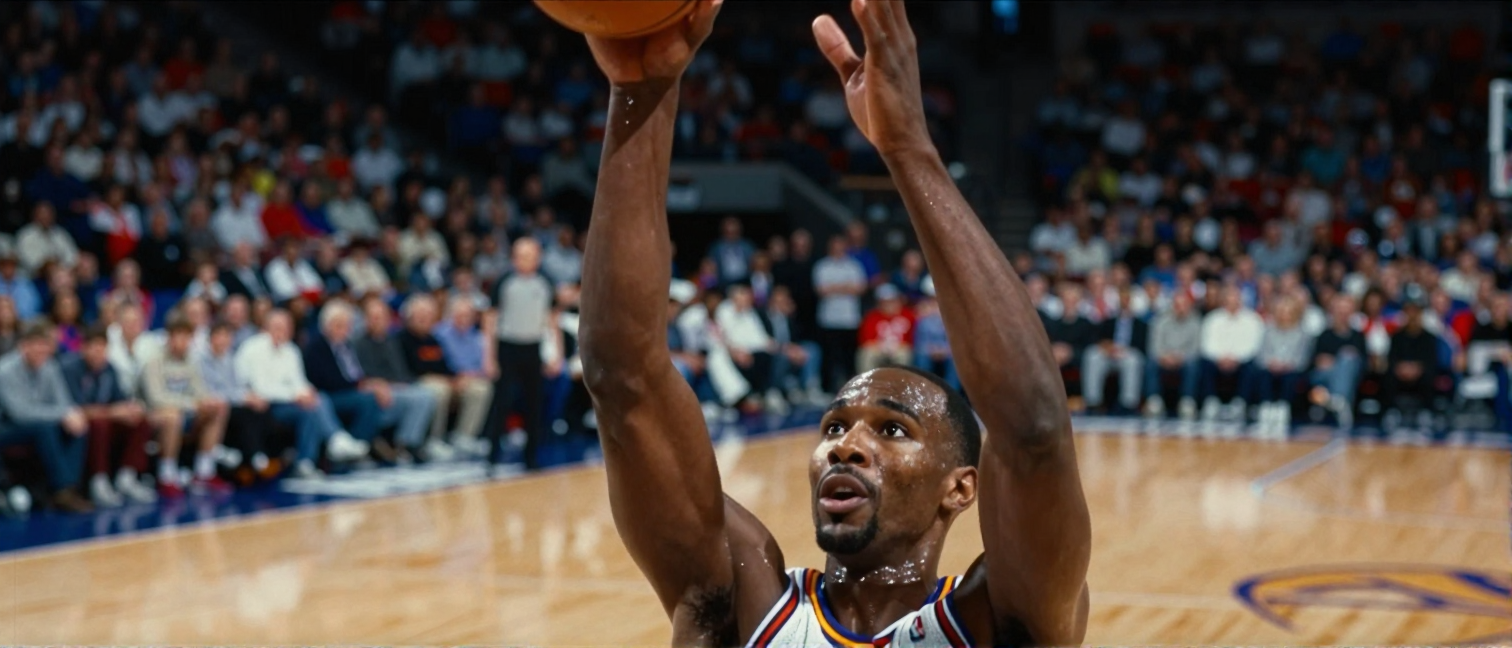
Larry Bird told reporters on 5 July 2026 that a contract extension he signed in the late-80s unintentionally reshaped the NBA’s financial and competitive balance. The Hall of Famer said he had no idea the move would trigger such massive ramifications, a revelation that adds fresh context to the league’s modern salary-cap structure.
What did Bird say about the extension?
In a candid interview with ESPN’s NBA analyst Jeff Van Gundy, Bird explained that the extension was meant simply to keep the Boston Celtics competitive for a few more seasons. He recalled signing a five-year, $13 million deal in 1988, a figure that seemed modest at the time. "I had no idea the ramifications would be so huge," Bird said, emphasizing that the agreement was never intended to set a precedent.
Why the extension mattered for the league
The deal coincided with the NBA’s shift toward free-agency negotiations and the introduction of a more formalized salary cap. By agreeing to a lucrative, multi-year contract, Bird inadvertently gave owners a template for future star deals. This forced the league’s front offices to rethink how they allocated payroll, eventually leading to the 1995 collective-bargaining agreement that formalized the cap we see today.
How the ripple effect shows up now
Current super-stars like Giannis Antetokounmpo and Luka Dončić sign contracts that dwarf Bird’s original extension, yet the underlying principle remains the same: a marquee player’s deal can shift market values league-wide. Analysts point to the 2024-25 season, when the NBA saw a 12% increase in average player salaries, a trend that traces back to the precedent Bird set.
What does this mean for Bird’s legacy?
Bird’s admission reframes his legacy beyond on-court achievements. While his three MVPs and three championships dominate headlines, his off-court impact now includes a pivotal role in the league’s economic evolution. Fans and historians may begin to view the Celtics legend as a catalyst for the modern NBA’s financial architecture, a nuance that adds depth to his storied career.
What’s next for the conversation?
The interview sparked a wave of commentary across sports media. Former commissioner David Stern’s son, Michael Stern, suggested the league could honor Bird’s unintended contribution with a special Hall of Fame exhibit. Meanwhile, NBA executives are debating whether future contract negotiations should incorporate lessons from the 1988 extension to avoid unintended market distortions.
The story underscores how a single decision by a player can echo through decades, shaping policies, salaries, and the competitive balance of an entire sport. Larry Bird’s reflection on that moment offers a rare glimpse into the hidden forces that drive the NBA’s ever-changing landscape.