 English
 Espanol
 Deutsch
 Francais
 Portugues
 Italiano
Cristiano Ronaldo fans fuel Argentina conspiracy theories as England handed advice
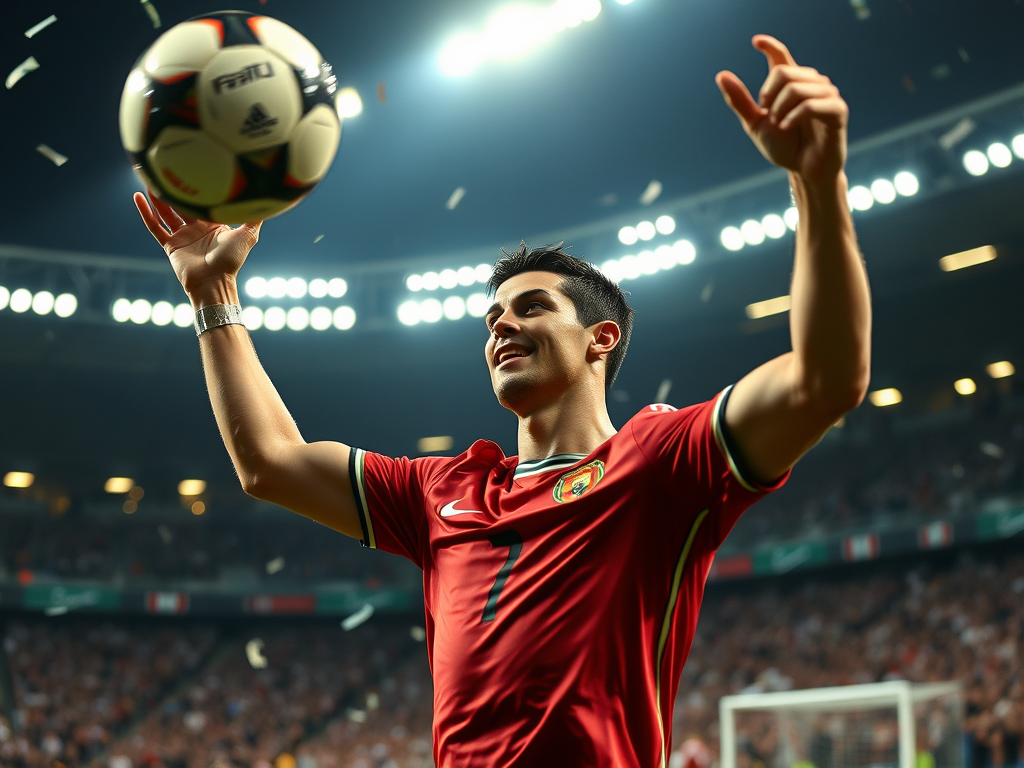
Cristiano Ronaldo’s fans are blamed for Argentina conspiracy theories
Cristiano Ronaldo’s supporters are being accused of spreading conspiracy theories after England were handed tactical advice ahead of a major tournament. The claim emerged as fans of the Portugal star targeted Argentina’s 2022 World Cup triumph with unfounded claims.
What happened?
England’s Football Association received strategic guidance from FIFA officials before a recent high-profile fixture, sparking online accusations from Ronaldo’s fanbase. Conspiracy theories suggested the advice was part of a plot to undermine Argentina’s dominance in international football. The wild claims gained traction on social media, with Ronaldo’s followers leading the charge.
The controversy flared after England’s match against a South American side, where tactical adjustments drew scrutiny. Critics pointed to Argentina’s 2022 World Cup win as evidence of unfair advantages, despite no direct link to England’s preparation. The timing of the advice-just before England’s fixture-fueled the speculation.
Why it matters for Cristiano Ronaldo
Ronaldo’s fanbase has long been vocal in debates about fairness in football, often rallying behind the Portugal star’s career milestones. Their reaction to England’s tactical advice reflects broader frustrations within sections of the global football community. While Ronaldo himself has no involvement in the conspiracy theories, his followers’ actions have drawn fresh attention to his polarizing influence online.
The incident also highlights how Ronaldo’s name is frequently invoked in unrelated football dramas. From transfer sagas to on-field rivalries, his presence looms large even in stories where he plays no direct role. This time, his fans became the story-not the player himself.
What comes next?
The conspiracy theories are unlikely to fade quickly, given the passion of Ronaldo’s fanbase and the polarizing nature of modern football discourse. England’s FA has not commented on the claims, focusing instead on their preparations for upcoming fixtures. FIFA, meanwhile, dismissed the allegations as baseless.
For Ronaldo, the episode serves as another reminder of how his global profile extends beyond the pitch. Whether it’s his club performances or the actions of his supporters, the spotlight rarely leaves him for long. The next time his name trends, it may not be for his own exploits-just ask Argentina’s critics.
The advice given to England was standard procedure for top teams, according to insiders. Yet the backlash underscores how quickly football’s tribalism can spiral into unfounded accusations. Ronaldo’s fans aren’t alone in their skepticism, but their visibility ensures the claims gain traction fast.
The episode also raises questions about social media’s role in amplifying conspiracy theories. Platforms like X and Facebook have become breeding grounds for such claims, often tied to high-profile figures like Ronaldo. The cycle of outrage shows no signs of slowing down.
For now, Ronaldo’s focus remains on his club career, where he continues to defy age and expectations. But as long as his name carries weight in global football, his supporters will keep shaping narratives-whether he likes it or not.