 English
 Espanol
 Deutsch
 Francais
 Portugues
 Italiano
Bobby Fischer’s Rival Bobby Haywood: The Forgotten Chess Pro Who Came First
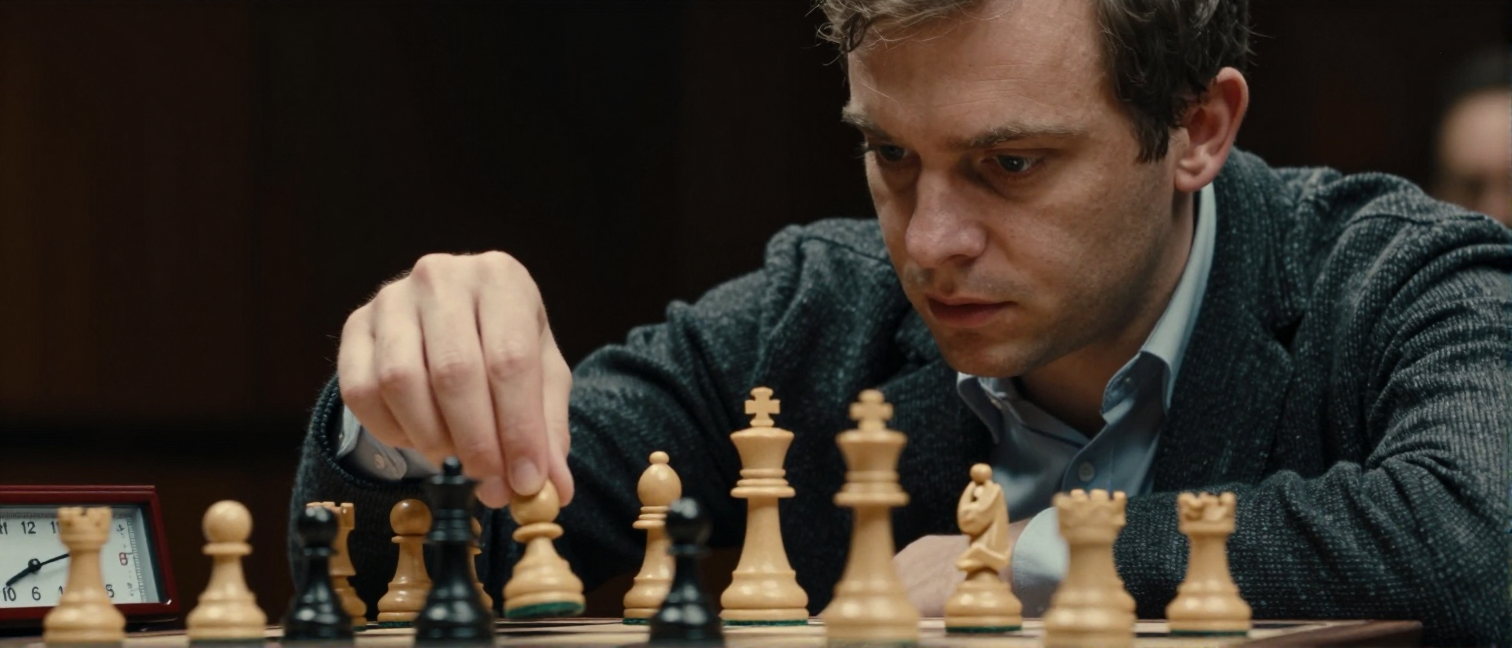
Bobby Haywood, the Bobby Fischer of the 1950s, won the U.S. Open in 1954-then disappeared from chess forever. His story reveals how Fischer’s path wasn’t the only one that could have led to greatness, and why some prodigies fade into obscurity while others become legends.
Who was Bobby Haywood?
Haywood, born in 1932, was a self-taught prodigy who rose through the U.S. chess scene by the early 1950s. By 1954, at age 22, he had already beaten Fischer’s future rivals-including future U.S. champion Larry Evans-in key matches. His biggest triumph came that year when he won the U.S. Open Championship, a title Fischer would later dominate in the 1960s.
How did Haywood’s career compare to Fischer’s?
Unlike Fischer, who became a global phenomenon after his 1972 World Championship match against Boris Spassky, Haywood never sought the spotlight. He played in major tournaments but avoided the media frenzy. By the time Fischer was challenging for the U.S. title in 1958, Haywood had retired from competitive chess entirely, leaving no record of why. Some speculate exhaustion; others point to a lack of sponsorship-common for players outside the Soviet bloc.
Why did Haywood vanish from chess history?
The 1950s chess world was smaller, with fewer opportunities for American players. Haywood’s disappearance wasn’t just personal-it mirrored how many talented U.S. players of the era were overshadowed by Fischer’s later dominance. Even his U.S. Open win in 1954 is barely mentioned in Fischer biographies, buried under the narrative of Fischer’s inevitable rise.
What does Haywood’s story say about Fischer’s era?
Haywood’s career proves Fischer wasn’t the only American with a shot at greatness. The difference? Fischer turned his rivalry with the Soviets into a Cold War spectacle, while Haywood played for the love of the game. Today, Haywood’s name is all but forgotten-yet his 1954 title remains a footnote in the history of U.S. chess, a reminder that talent alone doesn’t guarantee legacy.