 English
 Espanol
 Deutsch
 Francais
 Portugues
 Italiano
Aryna Sabalenka Falters as Mouratoglou Flags Emotional Weakness
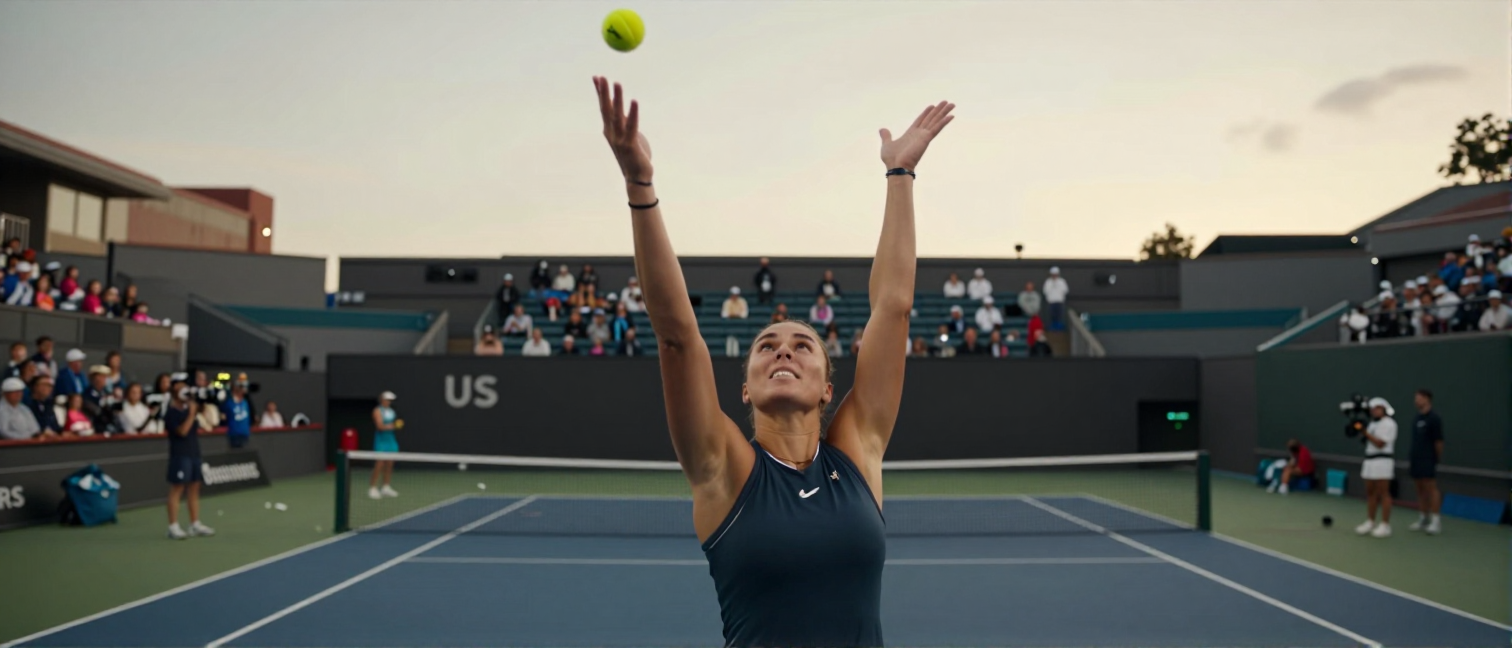
Aryna Sabalenka bowed out in the Wimbledon 2026 fourth round, losing 6-2 7-6(2) to Naomi Osaka and extending a title drought that began in April. Coach Patrick Mouratoglou blamed her defeat on an overly emotional approach that, he says, undermines her otherwise elite game.
What happened at Wimbledon?
Sabalenka entered Wimbledon as the top seed and favorite to claim her first title on grass. She opened with a 6-2 6-3 win over Teodora Kostović, followed by a 6-1 7-6(9) victory against McCartney Kessler and a 6-4 6-4 triumph over Jeļena Ostapenko. The momentum stopped in the fourth round when Osaka, a four-time Grand Slam champion, turned the match around, serving powerfully and breaking Sabalenka twice to seal the win.
Why Mouratoglou sees emotion as a liability
Patrick Mouratoglou, who has guided Serena Williams, Holger Rune and Naomi Osaka, said Sabalenka’s “emotional” reactions cost her on court. He noted that after the loss she told reporters she wanted to “go get completely drunk; forget about tennis.” Mouratoglou argued that such statements reveal a pattern: Sabalenka’s intensity can spill over, leading to lapses in focus during crucial points.
How the comments fit her recent history
The coach referenced a similar outburst after Sabalenka’s French Open quarter-final loss to Diana Shnaider, where she admitted she wanted to quit tennis. Both episodes, Mouratoglou suggested, illustrate a recurring struggle to compartmentalize feelings. He praised her technical level-“her tennis is outstanding, probably the best level at the moment”-but warned that without mental balance she will continue to fall short in majors.
What’s next for Sabalenka?
Sabalenka disclosed she has re-engaged a sports psychologist to work on emotional regulation. The Belarusian star hopes the mental work will pay off during the upcoming North American hard-court swing, where she will defend her US Open title. If she can translate that work into steadier on-court composure, Mouratoglou believes she could win “two or three Grand Slams every year.”
The broader impact on her ranking and legacy
With 44 finals and 24 titles to her name, Sabalenka’s Grand Slam record sits at 4-4, a statistic Mouratoglou sees as under-performing given her talent. A deeper run at Wimbledon would have added a crucial grass-court crown to her résumé and reinforced her world No. 1 status. Instead, the early exit drops points and fuels speculation about whether mental tweaks can finally unlock the missing titles.
Bottom line: Sabalenka’s Wimbledon loss highlights a clash between raw ability and emotional control. Mouratoglou’s alarm underscores a narrative that could shape her next season, especially as she tackles the hard-court circuit with a renewed focus on the mental side of the sport.